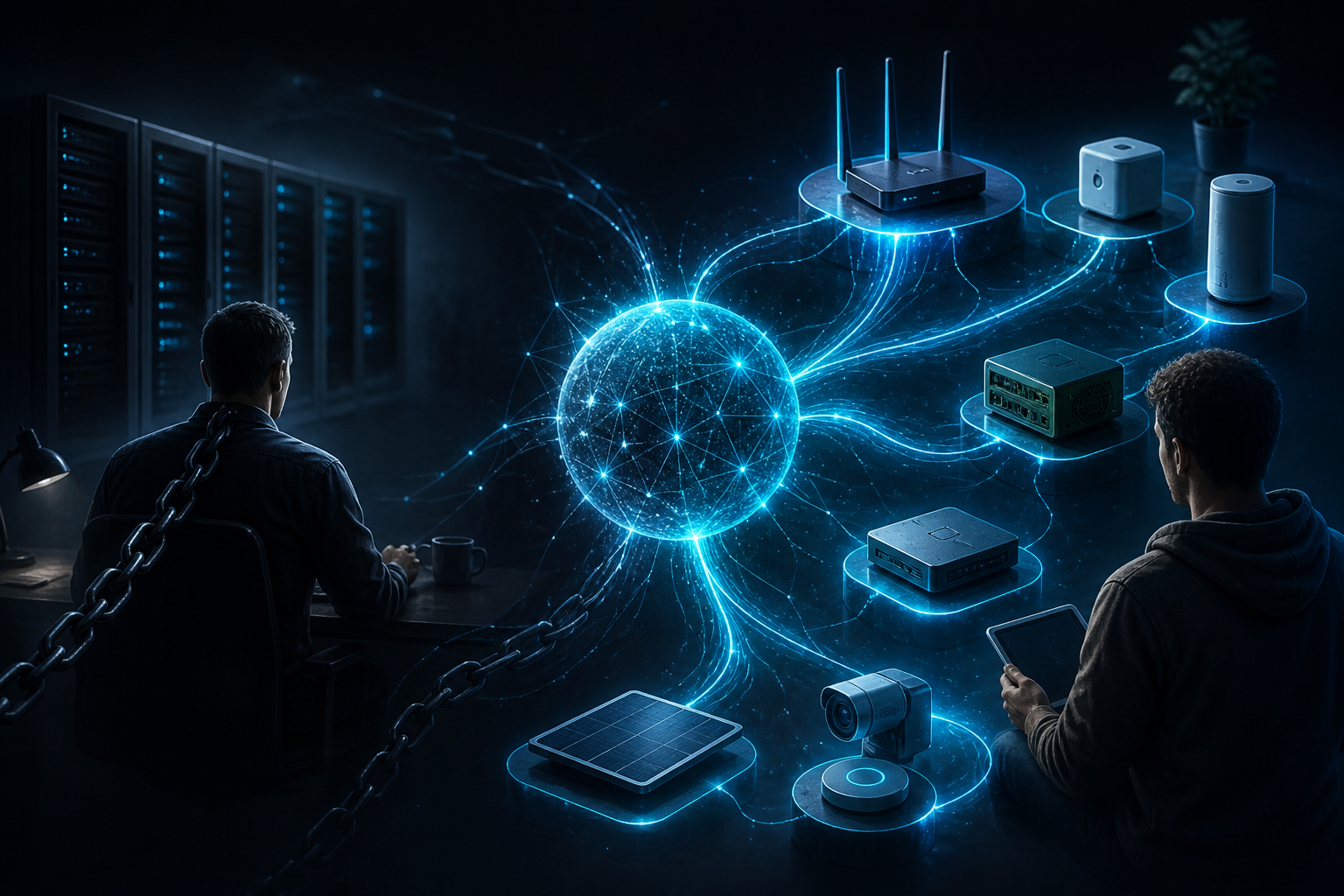
Not Just Working for Yourself: Another Path to Greater Independence
Work is there. The salary arrives regularly. The calendar is filled with meetings, tasks, and deadlines. From the outside, everything seems quite stable.
But over time, a different feeling may emerge: too much in life depends on a single boss, one schedule, and one source of income. When to work, where to work from, how to spend your time, and what the next month will look like — a significant part of these decisions are made not by you.
For many young professionals in Latin America, this familiar dependence on an employer is well known. The problem isn’t necessarily the job itself. It’s just a desire to have more control over one’s own life and earn on one’s own terms.
And then the search for a way out begins.
Common Routes to Independence
Freelancing usually comes to mind first. Instead of one employer, you can find several clients, pick projects yourself, and gradually build a flexible schedule.
There are other options too: consulting, a small personal business, a personal project, or a digital product. You can turn professional experience into a service, assemble a team, or create something that people buy directly.
All these paths truly change a person’s position. You decide who to work with, what to offer, and where to go next.
But there is a common trait easily overlooked: the main productive resource remains the person themselves.
To earn income, you still need to find clients, negotiate, complete orders, respond to messages, develop the product, or manage the business. Even if there’s no boss anymore, working hours don’t disappear — you simply have to sell them yourself.
This is not a flaw of freelancing or entrepreneurship. They can provide exactly the freedom the person sought. But the map of possibilities is broader.
What If the Issue Isn't Just Selling Your Time?
Transitioning to independence is often understood as: previously one employer bought my work, now I will find those who need it myself.
The buyer of labor changes, as does the way work is organized and sometimes the lifestyle. But the foundation remains the same: income comes from personal knowledge, effort, and time.
But what if we ask the question differently?
Not just: "How do I find work myself?"
But also: "What can I own so that the resource belonging to me can perform useful work?"
This is a different perspective on independence. A person doesn’t give up their profession, skills, or personal projects. They add a new role — the role of owner of a working resource.
In the traditional economy, this idea is long understood: someone owns the tools, premises, or equipment that help produce the needed result. A similar opportunity exists in the digital world.
Digital Services Need Real Infrastructure
We are used to perceiving digital services as something almost invisible. You open an app, download a file, build a route, process data — and it seems everything happens by itself.
In reality, behind any digital service are real resources: computing power, data storage, connectivity, devices, sensors, and other physical components. Without them, the digital world cannot do its job.
Usually, a person uses this system, pays for the service, or works at a company that provides it. But another role is possible.
A person can own a physical or computational resource needed by a digital network. The resource helps perform tasks, transmit information, store or process data, and maintain a service accessible to others. For such participation, the owner receives compensation.
This is where the usual idea of working for yourself expands.
You Can Own Part of What You Normally Just Use
Independence does not necessarily mean constant selling of your own hours.
You can remain a specialist, develop a career, work with clients, or create a personal project — and simultaneously own a resource involved in the digital economy.
In this case, value is created not only by personally completed tasks but also by the resource you own that participates in the useful work of the network.
Previously, the choices looked something like this: employee, contractor, entrepreneur, or creator of your own product. Now, another possibility is added to this map — participant in infrastructure.
Not a large company that built a huge system, and not necessarily a professional with many years of technical experience. An ordinary person can provide their owned resource and become the owner of a small working part of the digital world.
More on how to get started with already available resources can be found in the section “Use What You Already Have”.
A Different Form of Control
The desire to break free from dependence on one employer rarely relates only to the position or salary size. More often, it reflects a deeper need: to have more influence over one’s own time, decisions, and income sources.
Freelancing answers part of this demand: you find customers yourself. Your own project answers another part: you create something of your own. Owning a useful resource adds another dimension — participating in the economy not only through your labor but through what you own that performs valuable work.
This is not a replacement for a profession or another employment model. The person’s position in relation to the system changes.
They remain a user of digital services but can also be one of those who make these services possible. They remain a specialist, but their possibilities are no longer limited solely to selling skills. They can not only work within the digital economy but also own part of its foundation.
One More Door
When people first think about independence, familiar routes usually appear before them: find clients, start a business, launch a product, or begin consulting.
Now, alongside these, you can see another one: own a physical or computational resource, provide it to a digital network, help it perform useful work, and receive rewards for participating in infrastructure that others use.
"Working for yourself" no longer just means selling your own hours independently. You can be not only an employee, contractor, or client but also the owner of a functioning element of the digital system.
The next step is to see the forms this participation takes and how ordinary people become part of the digital infrastructure. This introduction marks the start of DePIN World — a world where a person has access not only to the role of user or worker but also the role of owner of what powers the digital economy.