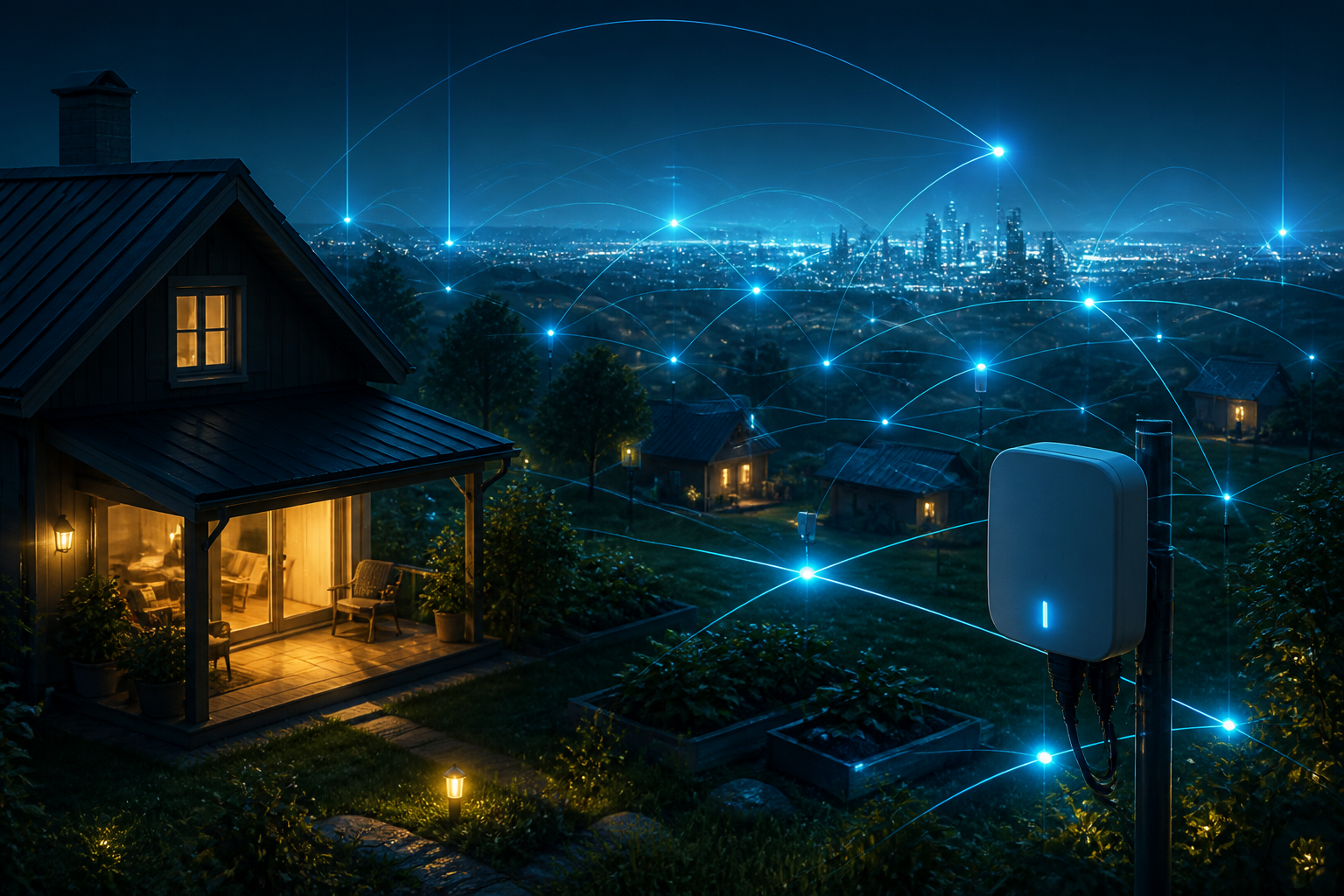
Moving from a large city to a small village is rarely just about wanting to see more trees and fewer cars. Usually, there’s a deeper idea behind it: to change the very structure of life.
To work at your own pace, avoid spending hours commuting, rely more on your own decisions and less on the office or city employer. But soon a practical question arises: what will sustain this new life?
The Familiar Income Map
The most obvious option is to keep your profession and work remotely. Another path is freelancing, crafts, farming, tourism, or providing services to neighbors. These directions can be combined: remote work with a workshop, farming with hosting guests, local services with online sales.
Most of these models share one trait: income appears when a person sells their time, skill, product, or hospitality again. You have to find a client, fulfill an order, host guests, or produce a new item.
This is a normal economic basis but not the only one. After moving, it’s useful to ask not only: “What else can I do?” but also: “What useful resource do I already own and can manage?”
Income Can Come from More Than Just Working Hours
A space can be used as a workshop, a car for transportation, tools for production, and land for growing food. Today, the list includes resources that can operate as part of digital infrastructure.
The digital world does not exist separately from the physical one. Services need connectivity, data storage and processing, computing power, and equipment in real locations. The article "Who Owns the World’s Computing Power Today?" shows why infrastructure ownership rights matter.
From User to Resource Owner
Usually, a person connects to the internet, stores photos, watches videos, and uses online services. But another role is possible: to provide the network with a physical or computing resource they own and receive rewards for verified useful work.
This could be a server, storage device, communication channel, or other hardware. The specific option depends on location, technical conditions, electricity costs, and actual demand. There is no universal device that guarantees profit everywhere.
Why Distance Doesn’t Matter to a Small Village
Local business depends on people’s traffic and the size of the nearest market. A digital resource works differently: its usefulness can be determined by the needs of networks connecting users and services across countries.
Therefore, a house in a village can be not only a terminal point where the internet arrives. Under the right conditions, it can become a place where computing power, storage, or connectivity feeds back into the digital economy as a valuable service.
You don’t have to return to the metropolis or sell every working hour to take part in the global digital infrastructure.
This Is an Addition, Not a Replacement for the Usual Life
This new model doesn't cancel remote work, farming, tourism, or crafts. In the morning someone might work in the garden, during the day work on a project or host guests, while their owned technical resource performs a separate network task.
This way, the economic basis of life becomes more diverse and less dependent on a single occupation. But the decision should not start with buying equipment, but with calculations.
Check First, Invest Later
You need to evaluate internet, electricity, cooling, site reliability, specific network requirements, and payback period. The DePIN server calculator is designed for preliminary configuration checks.
If the calculation looks reasonable, the next step is to compare it with real project requirements and the ability to maintain the equipment. The DePIN Business section helps to view infrastructure as a manageable model rather than a promise of easy earnings.
Your Own Point on the Big Map
Many people moving from the city are not seeking isolation but a different way to stay connected with the world. A village can remain a place of peaceful everyday life and at the same time be a participation point in a system larger than the local market.
The main change is in the person’s role. They no longer just buy digital services but can own part of the infrastructure that supports those services.
The next question is no longer “Who needs my labor today?”, but “Which resource I own can provide value to others?” This question marks the practical start of exploring the DePIN World.