Data Sovereignty Starts with Your Own Hardware
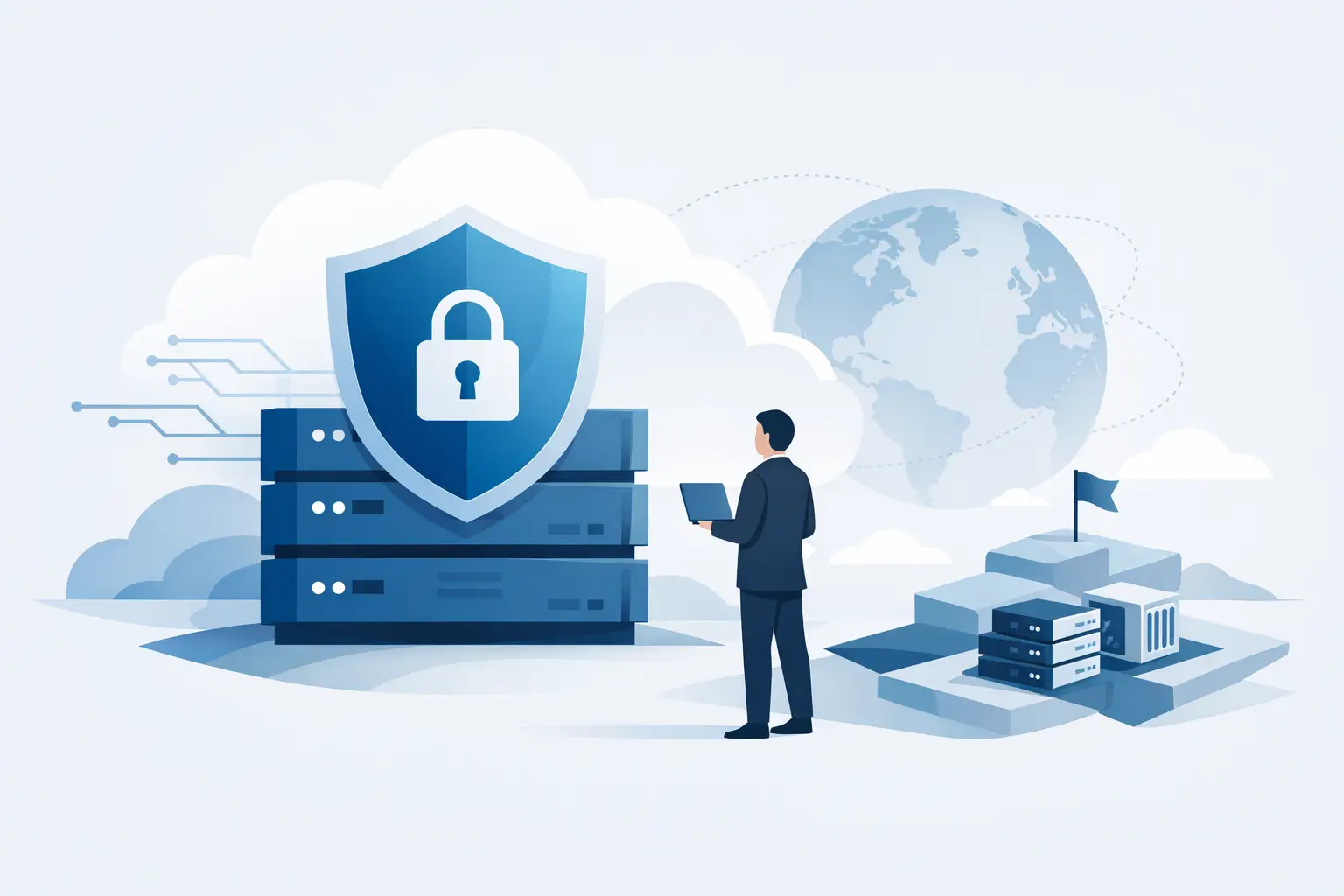
Why controlling data depends not only on encryption but also on jurisdiction, physical location, access, and ownership of computing infrastructure.
Why controlling data depends not only on encryption but also on jurisdiction, physical location, access, and ownership of computing infrastructure.
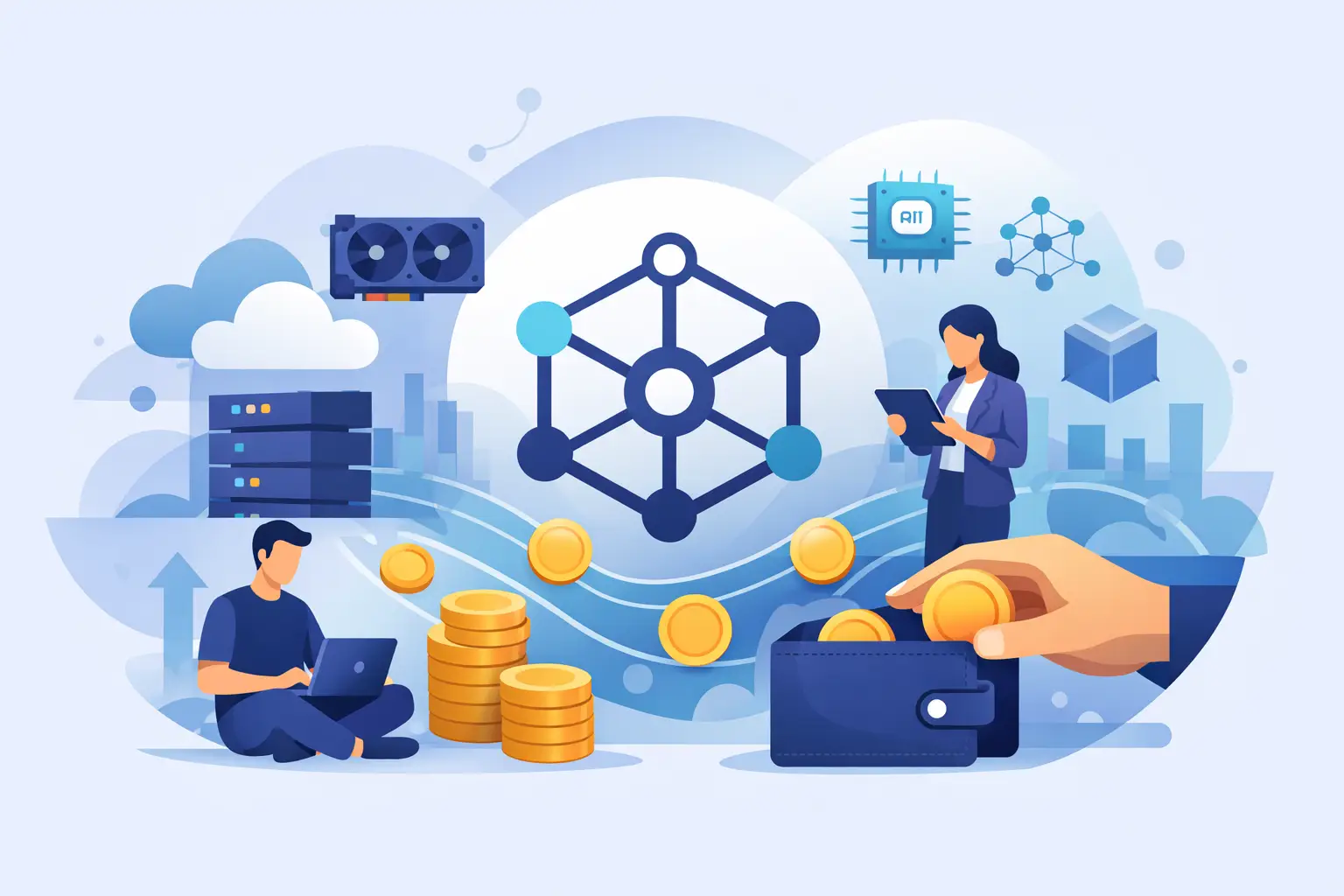
How the decentralized compute market works: demand, utilization, rates, hardware, and operations that determine an independent operator’s income.
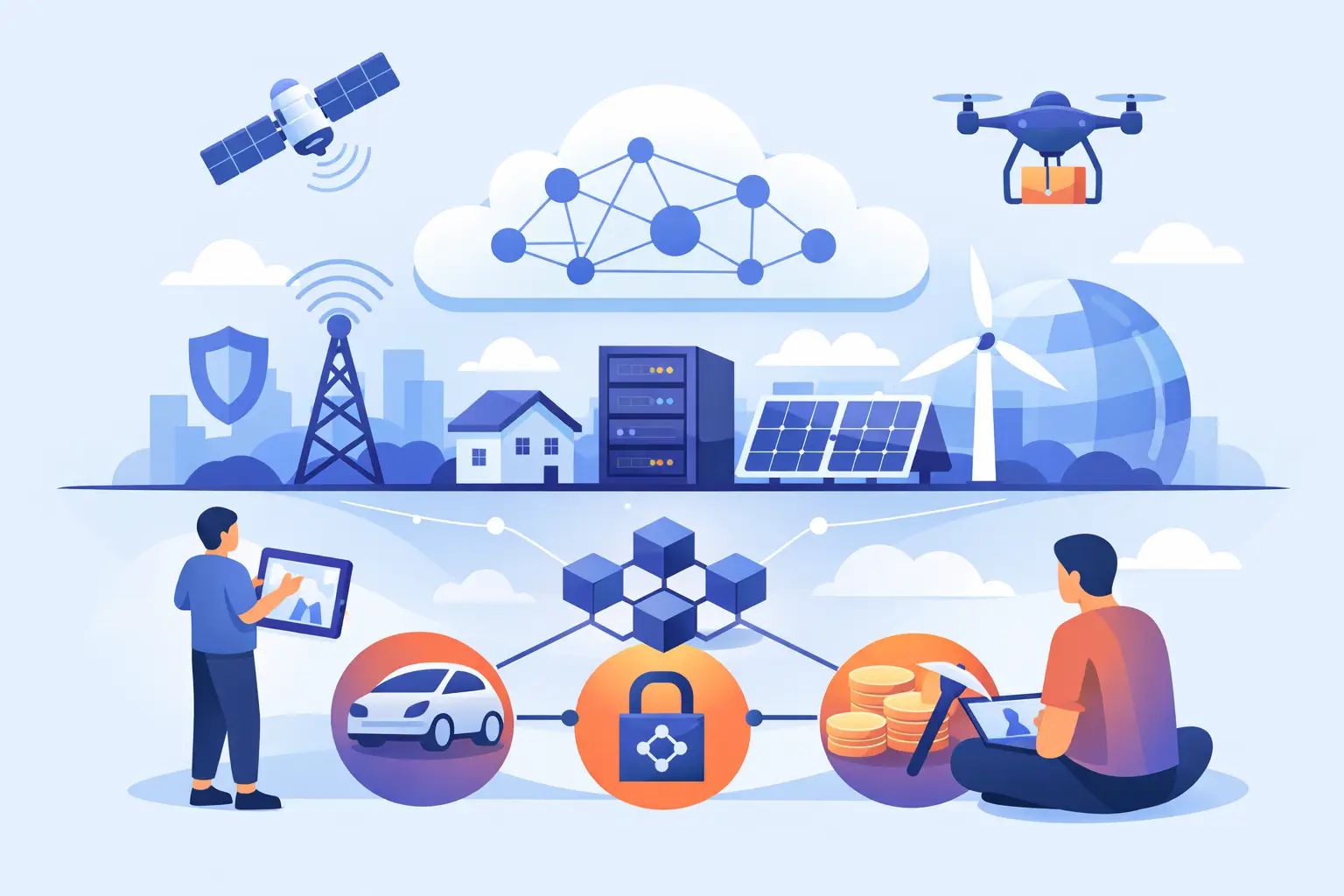
Seven distinct DePIN models—compute, storage, connectivity, and data—and a practical way to assess demand, hardware, risks, and real economics before investing.
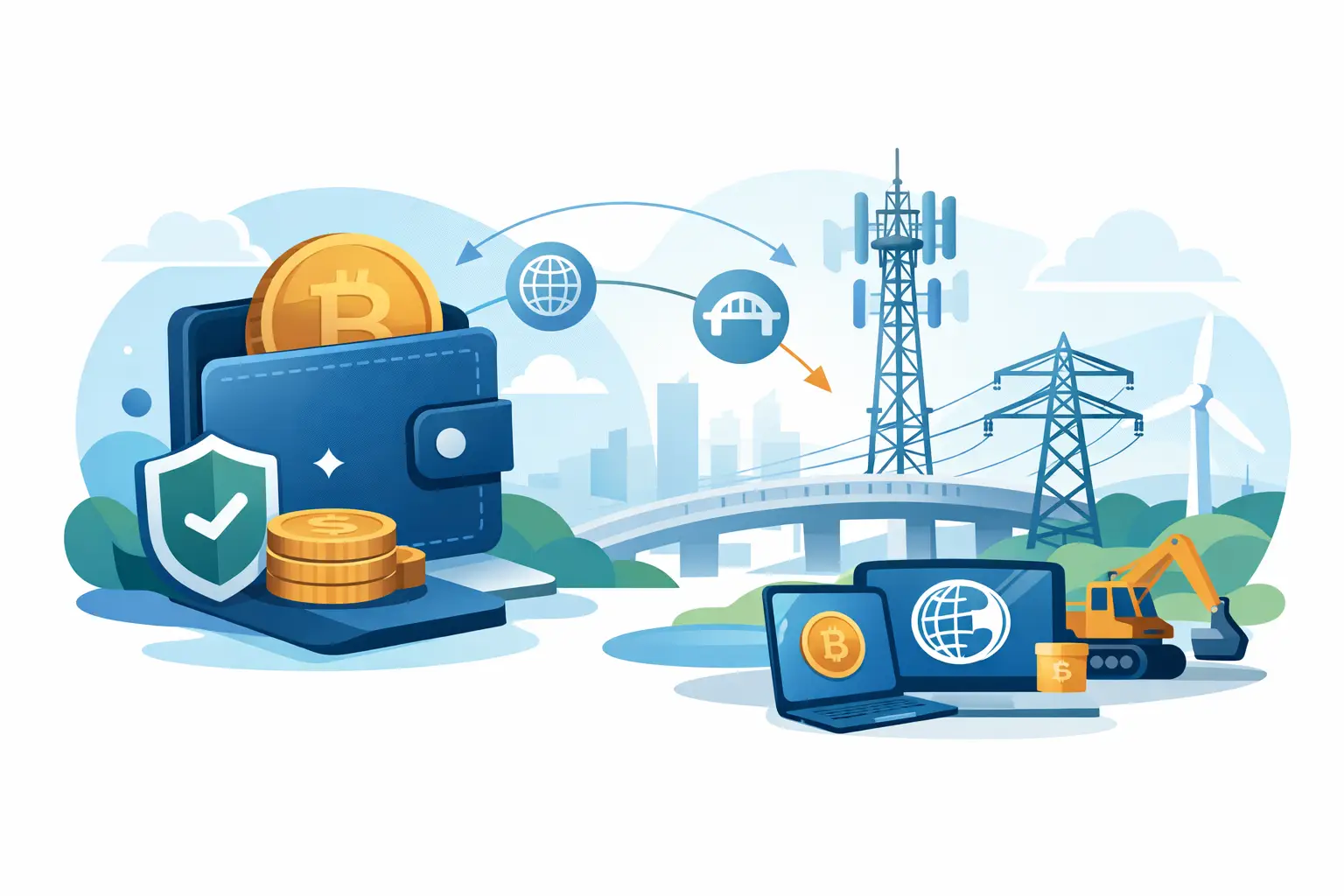
How digital payments and stablecoins help a global operator monetize computing — and why payment speed demands strict security and accounting.
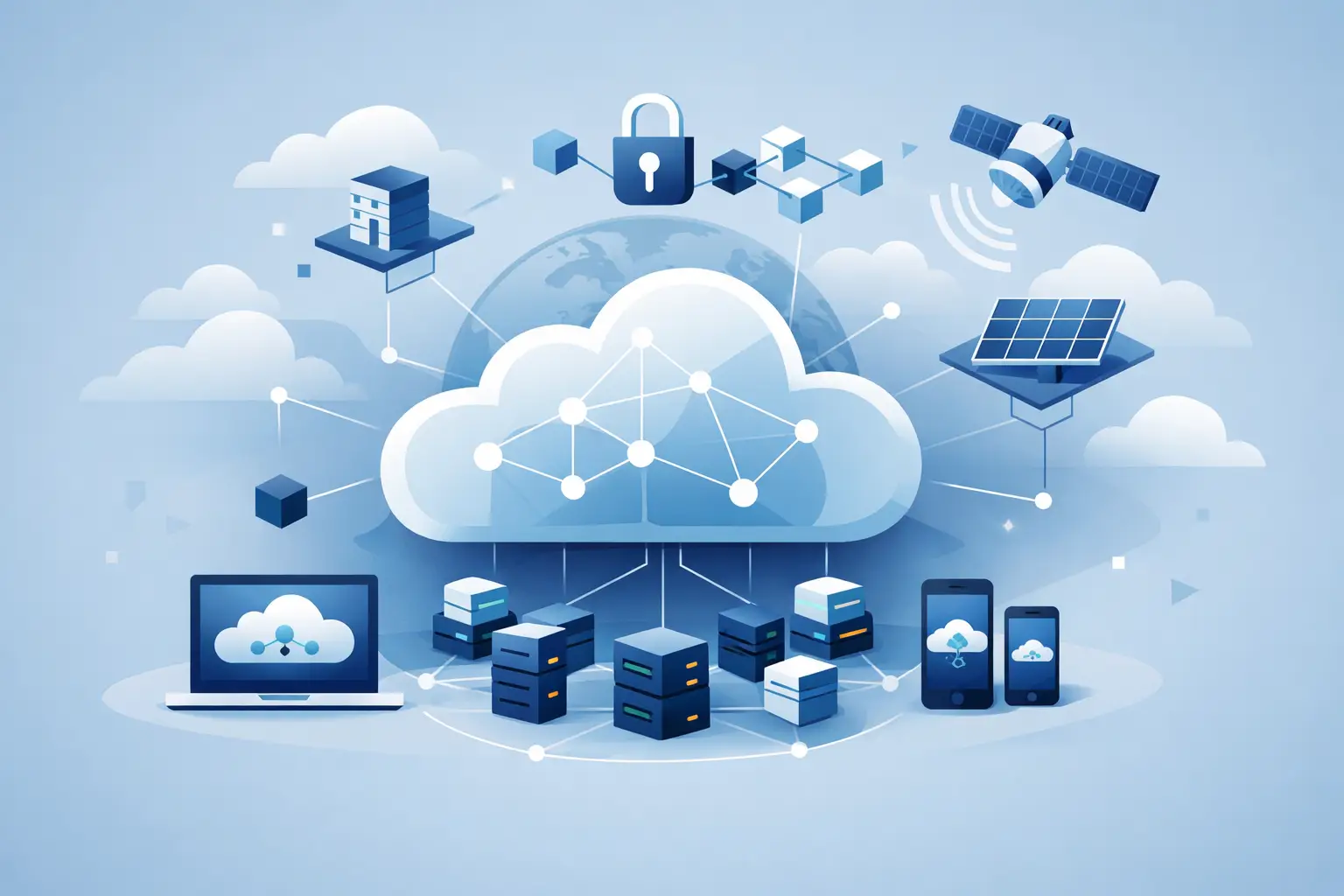
How independent servers turn into a distributed cloud: four system layers, task routing, resource verification, calculations, and operator economics.
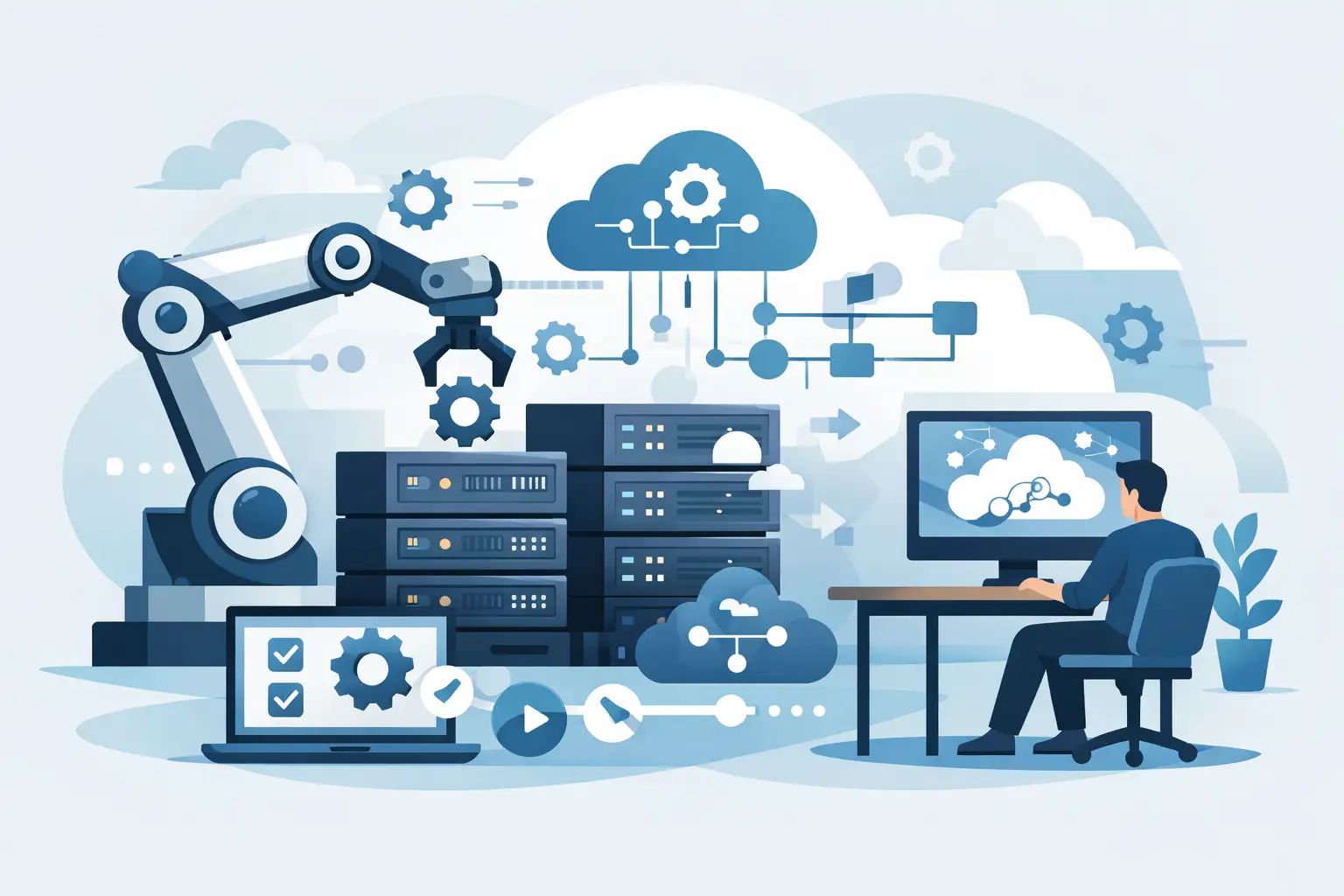
Monitoring, standard configurations, automatic recovery, and business metrics turn a set of servers into a scalable computing infrastructure.
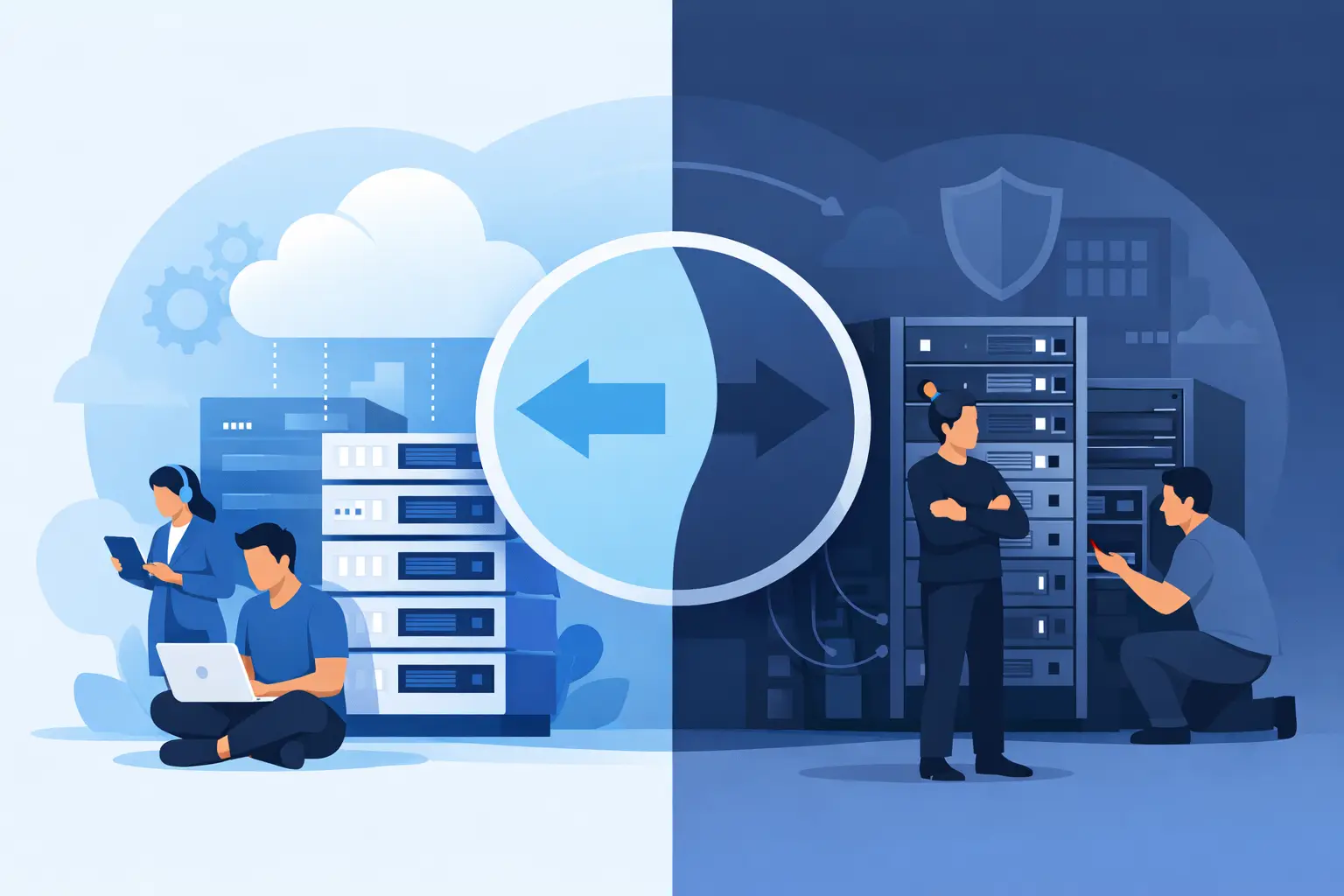
When renting compute power is more cost-effective than buying, when owning your own hardware begins to pay off, and why for an operator it’s primarily a question of control and capital.
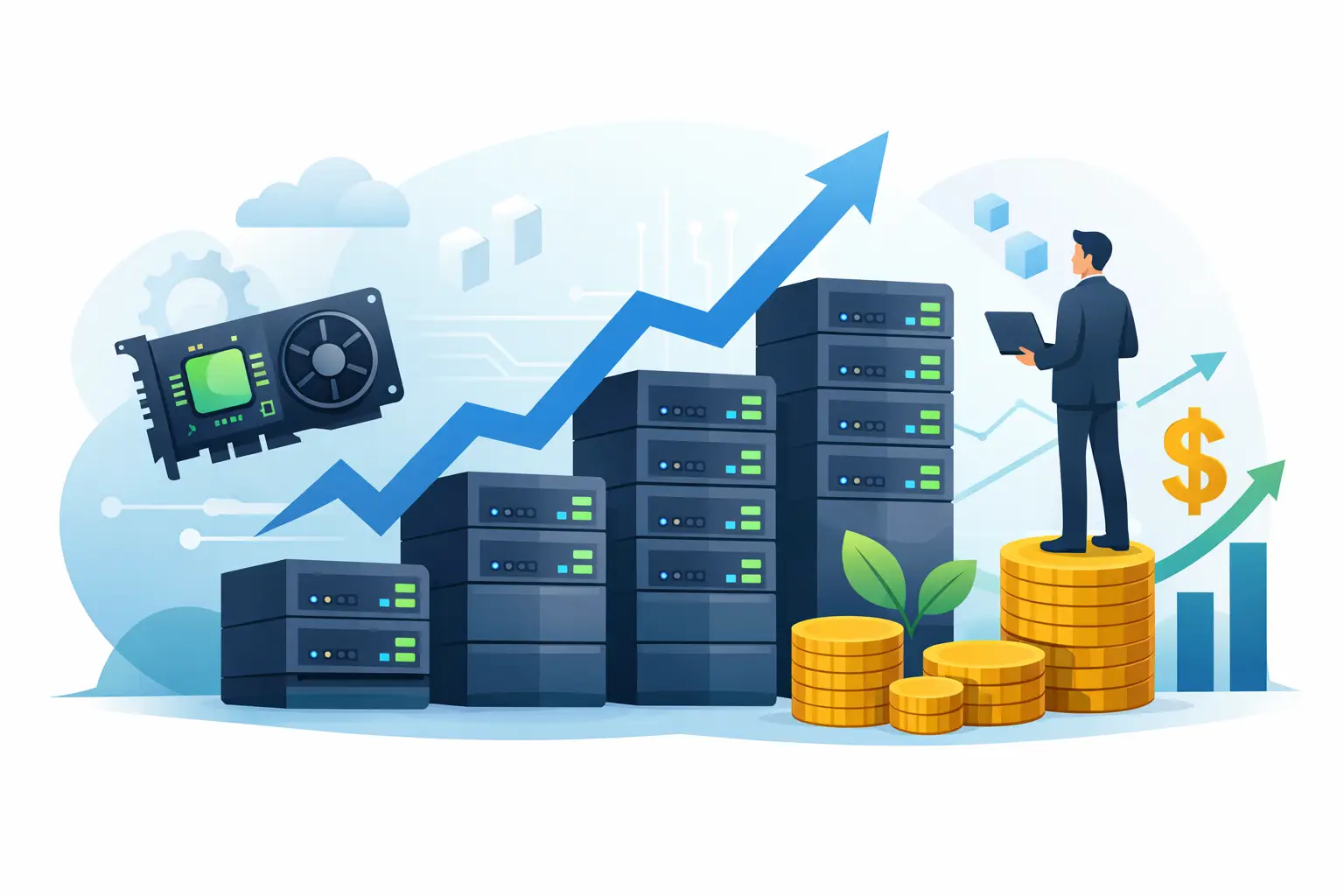
Scaling a GPU fleet starts not with buying new cards, but with proven economics, standard builds, power, cooling, networking, and automation.
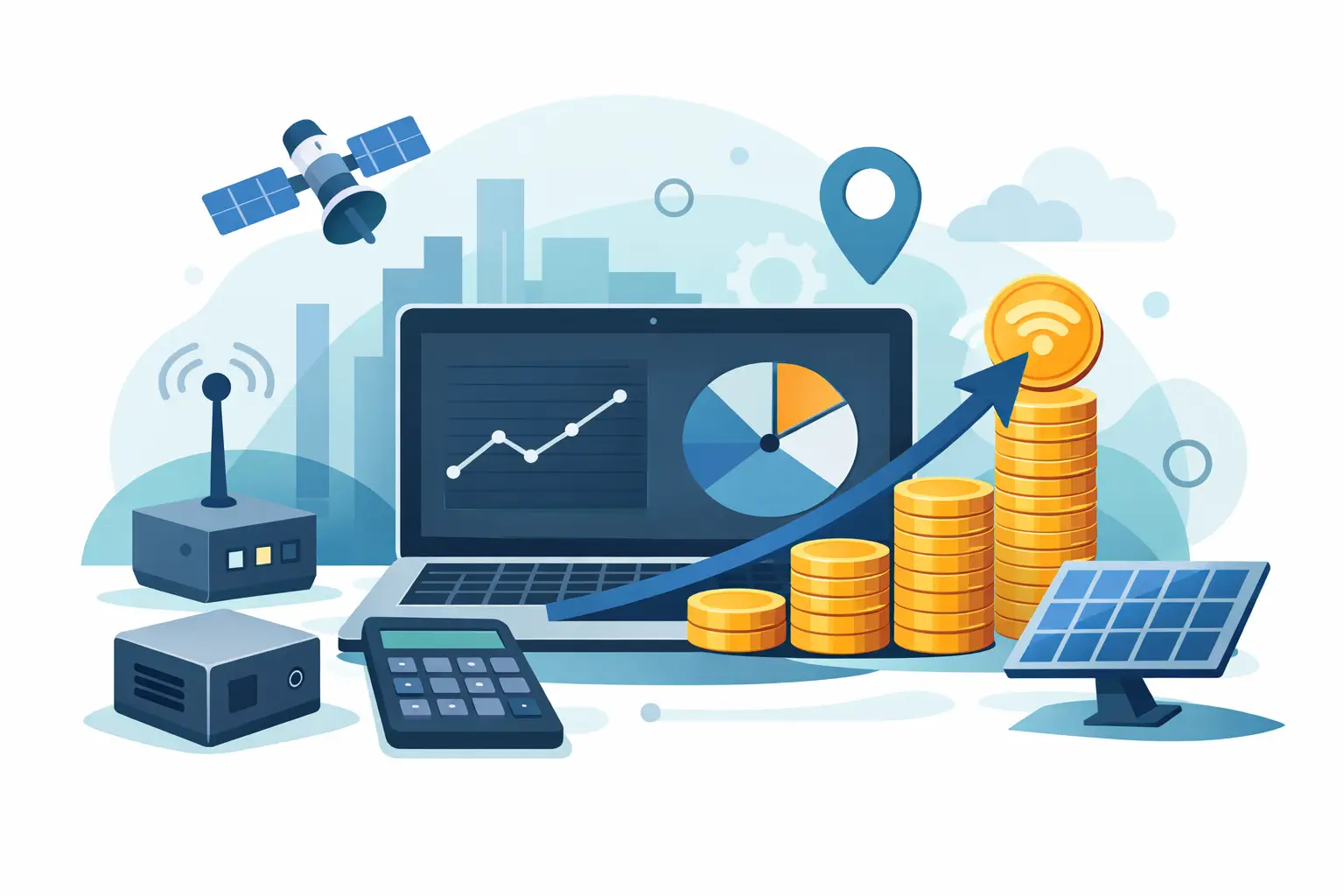
The real payback of DePIN hardware depends on utilization, electricity, fees, downtime, and depreciation. We calculate scenarios before the capital is tied up in the server.
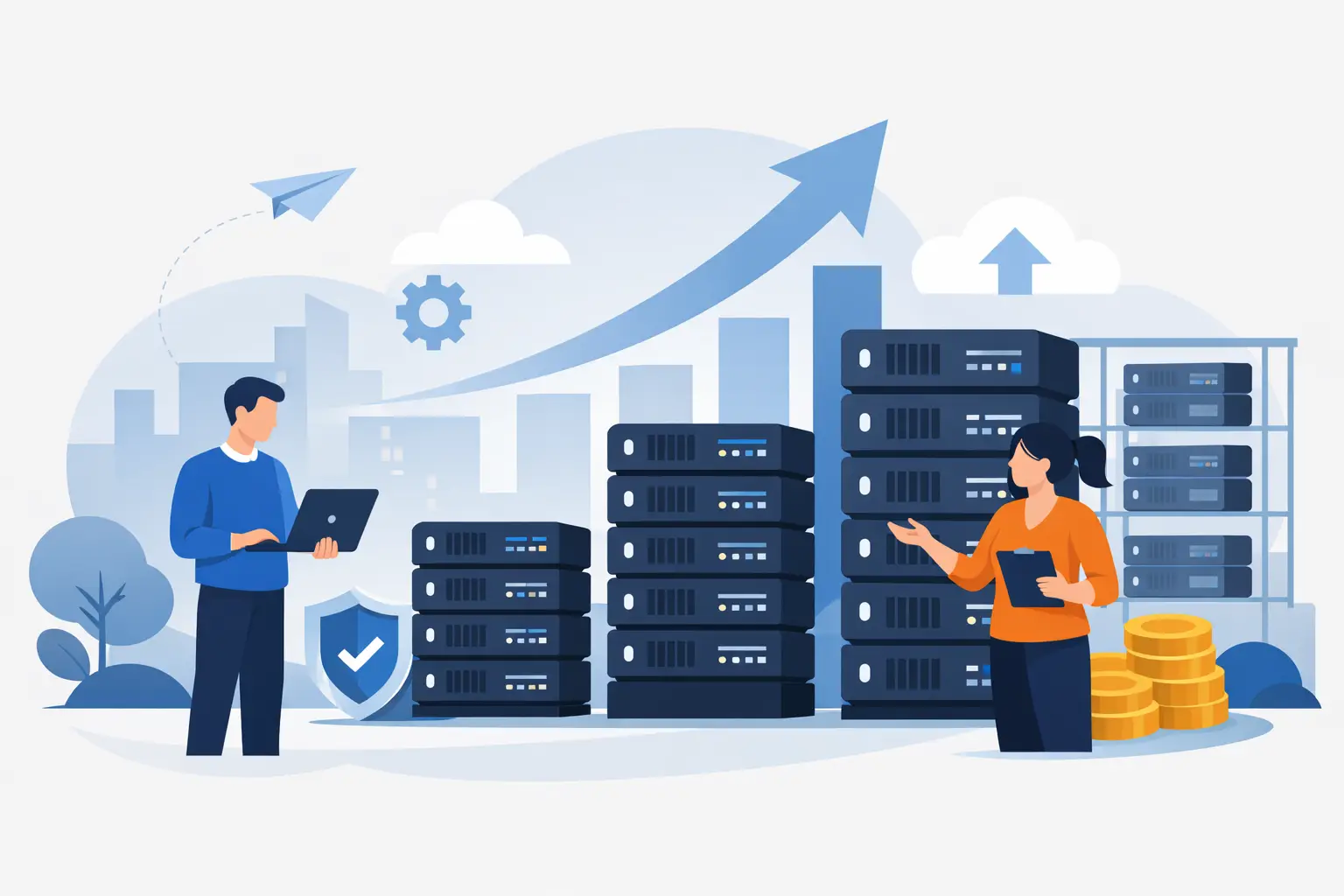
A server rental business starts with demand and unit economics. Workload, full cost, standard build, uptime, security, and multiple demand channels are more important than the amount of hardware.