Decentralized VPN: How the Network Works and How the Provider Makes Money

How dVPN works, what role independent nodes play, where the operator's revenue comes from, and what technical and legal risks need to be considered.
How dVPN works, what role independent nodes play, where the operator's revenue comes from, and what technical and legal risks need to be considered.

How GPU and Server Owners Can Interpret DePIN's Tokenomics: Supply, Actual Demand, Distribution, Operating Costs, and Payment Sustainability.

Is it possible to generate semi-passive income using GPUs and servers? We’ll take a closer look at distributed computing, workload, costs, automation, and real risks.

How the server rental business works: utilization, electricity, equipment cost, downtime, and operator discipline—all of which determine the actual return on investment.

Why control over data depends not only on encryption, but also on jurisdiction, physical location, access, and ownership of computing infrastructure.

How a decentralized computing market works: demand, utilization, rates, equipment, and operations—all of which determine an independent operator’s revenue.
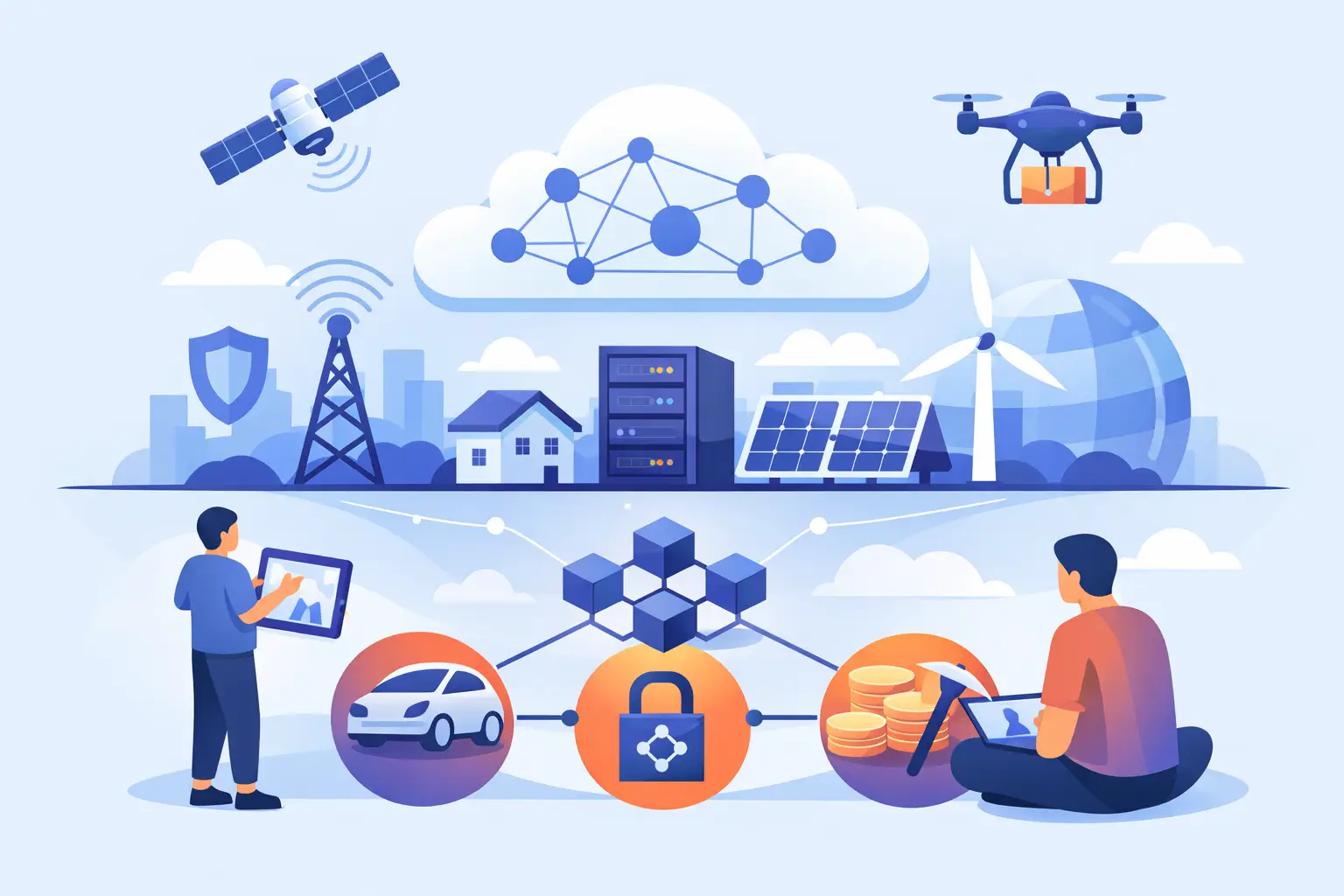
Seven different DePIN models—computing, storage, connectivity, and data—and a practical way to assess demand, hardware, risks, and the actual economics before investing.
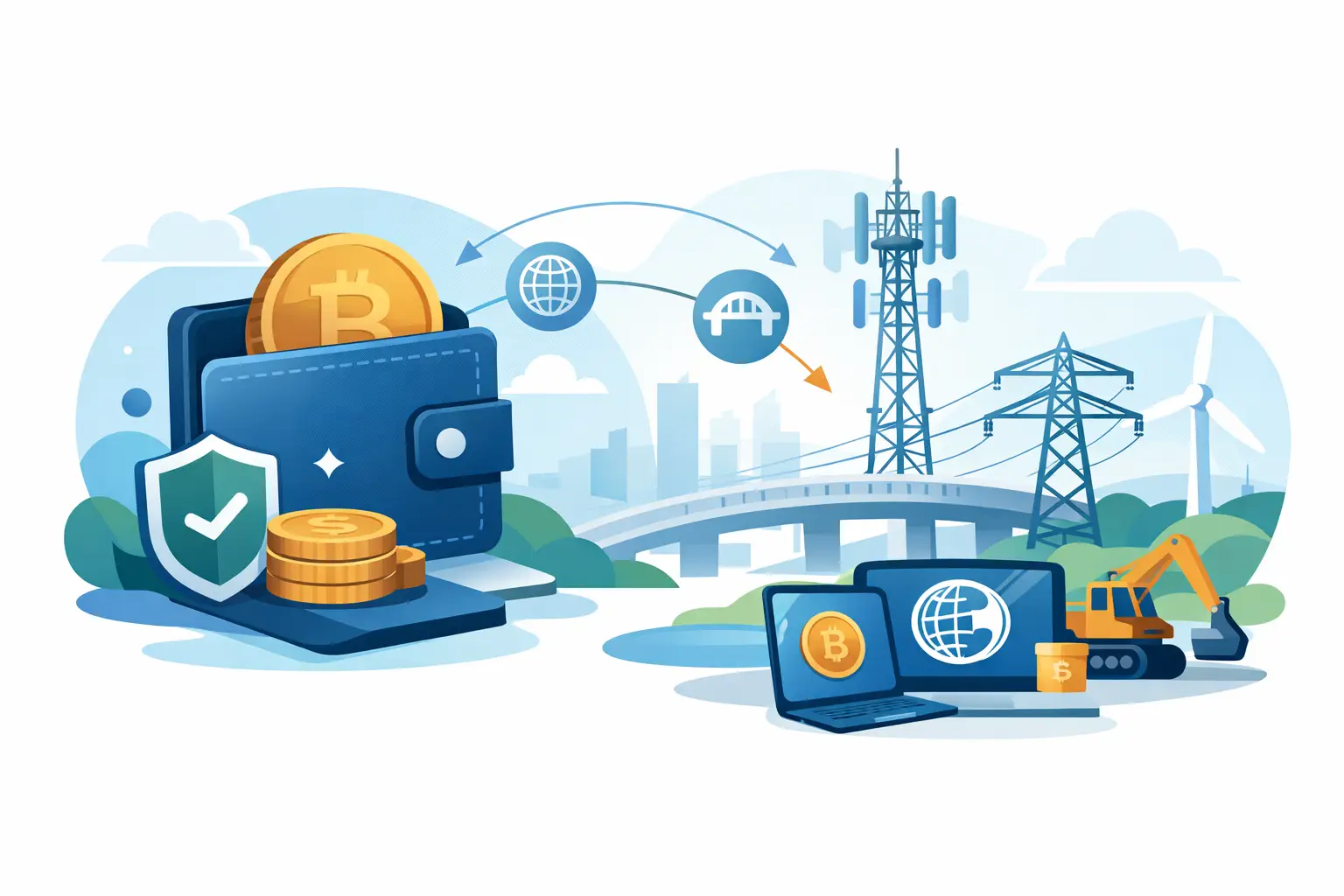
How digital payments and stablecoins help a global operator generate revenue from computing power—and why transaction speed requires strict security and accounting.
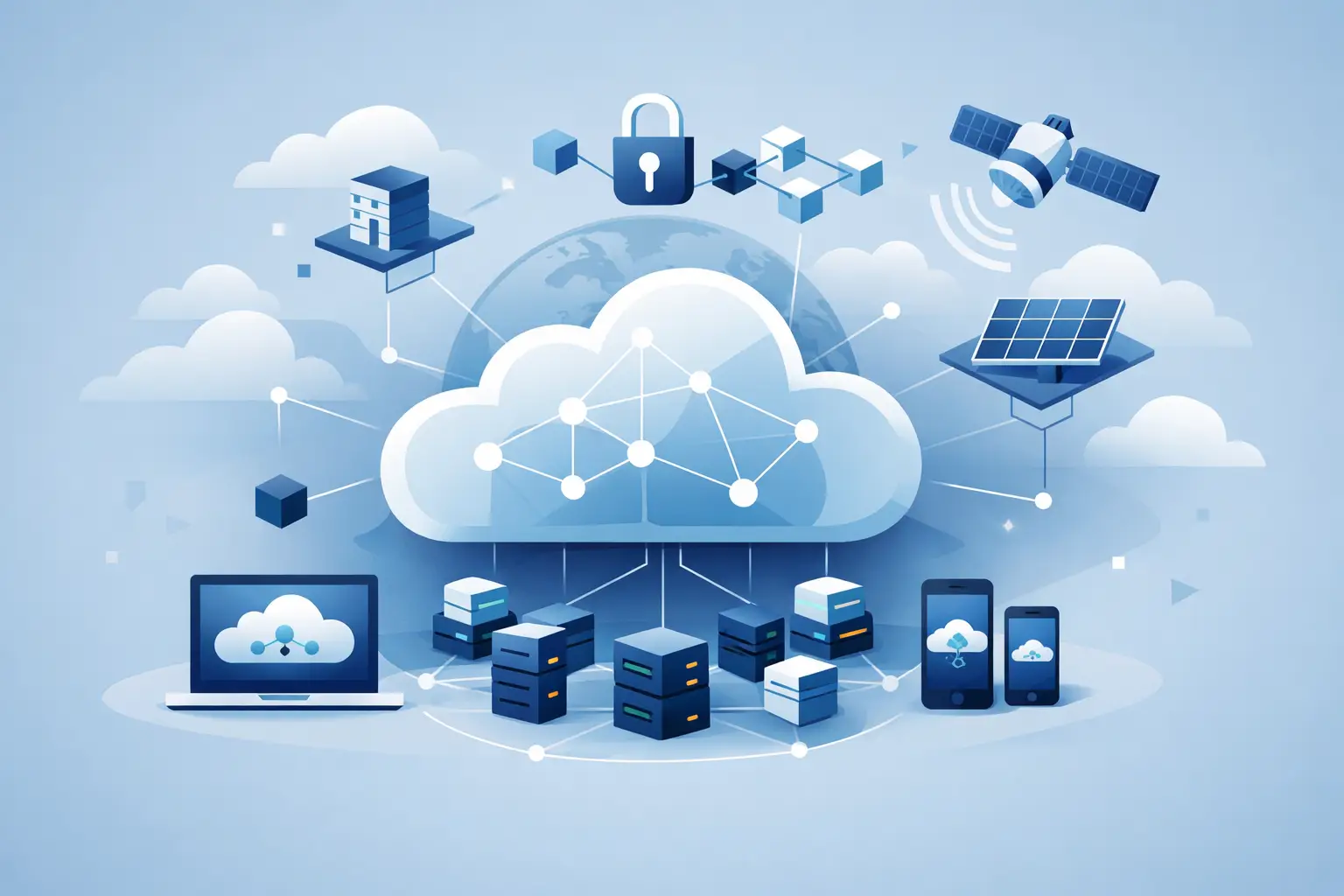
How Independent Servers Become a Distributed Cloud: The System's Four Layers, Task Routing, Resource Checking, Computations, and the Operator's Economics.

Monitoring, standard configurations, automatic recovery, and business metrics transform a set of servers into a scalable computing infrastructure.