Distributed Computing Passive Income Explained

Distributed computing passive income can turn idle servers into infrastructure revenue. Learn the economics, workload demand, and operating realities now
Distributed computing passive income can turn idle servers into infrastructure revenue. Learn the economics, workload demand, and operating realities now

A practical look at the server rental business model: hardware choices, utilization, power costs, pricing, and discipline that protects operator margins.

Data sovereignty gives infrastructure owners control over where workloads run, who can reach them, and how compute revenue is secured across borders safely.

A decentralized compute marketplace turns idle hardware into sellable capacity. Learn how demand, pricing, uptime, and margins shape operator returns.

Compare the best DePIN projects for beginners across compute, storage, and wireless networks, with a framework for judging demand, hardware, and risk.

Crypto payments for infrastructure providers reduce settlement friction, expand global access, and give compute operators more control over cash flow.
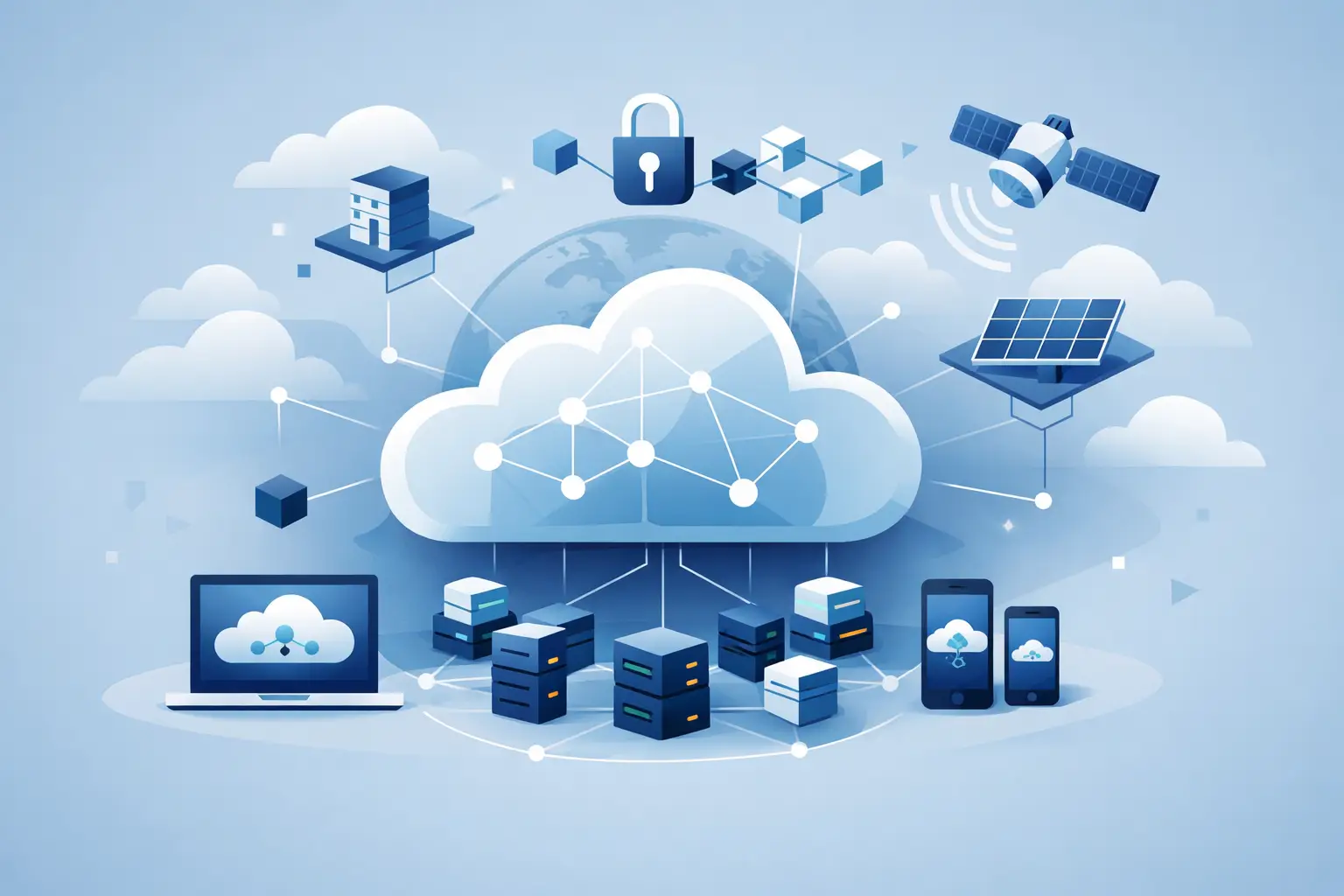
Learn how decentralized cloud computing works, from job routing and verification to hardware economics, so you can assess productive DePIN infrastructure.

Learn how to automate server infrastructure operations with telemetry, policy, and recovery systems that turn compute hardware into scalable capacity.
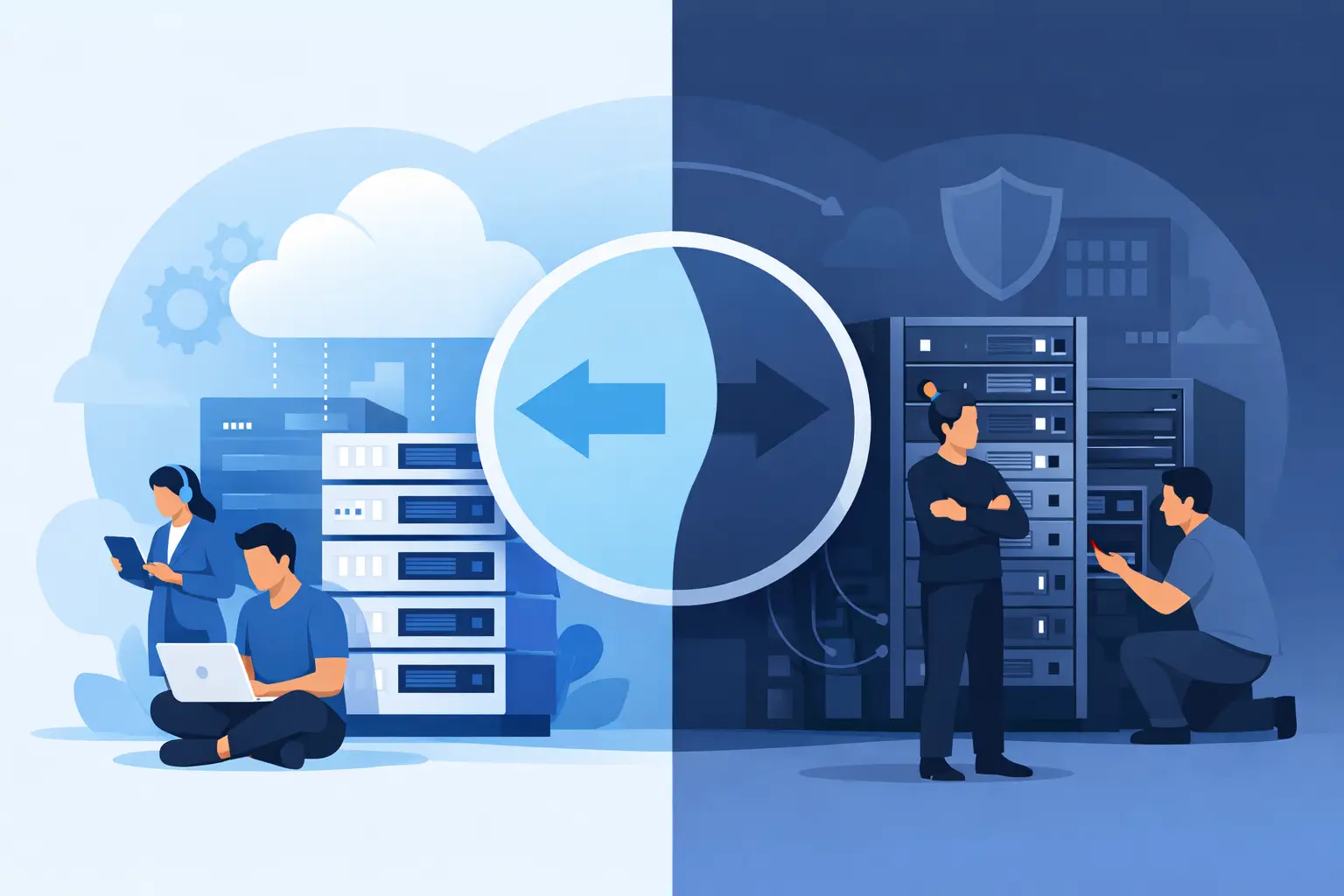
Rent versus own servers: compare cash flow, control, uptime, and scale to choose the compute infrastructure model that builds a durable business over time.
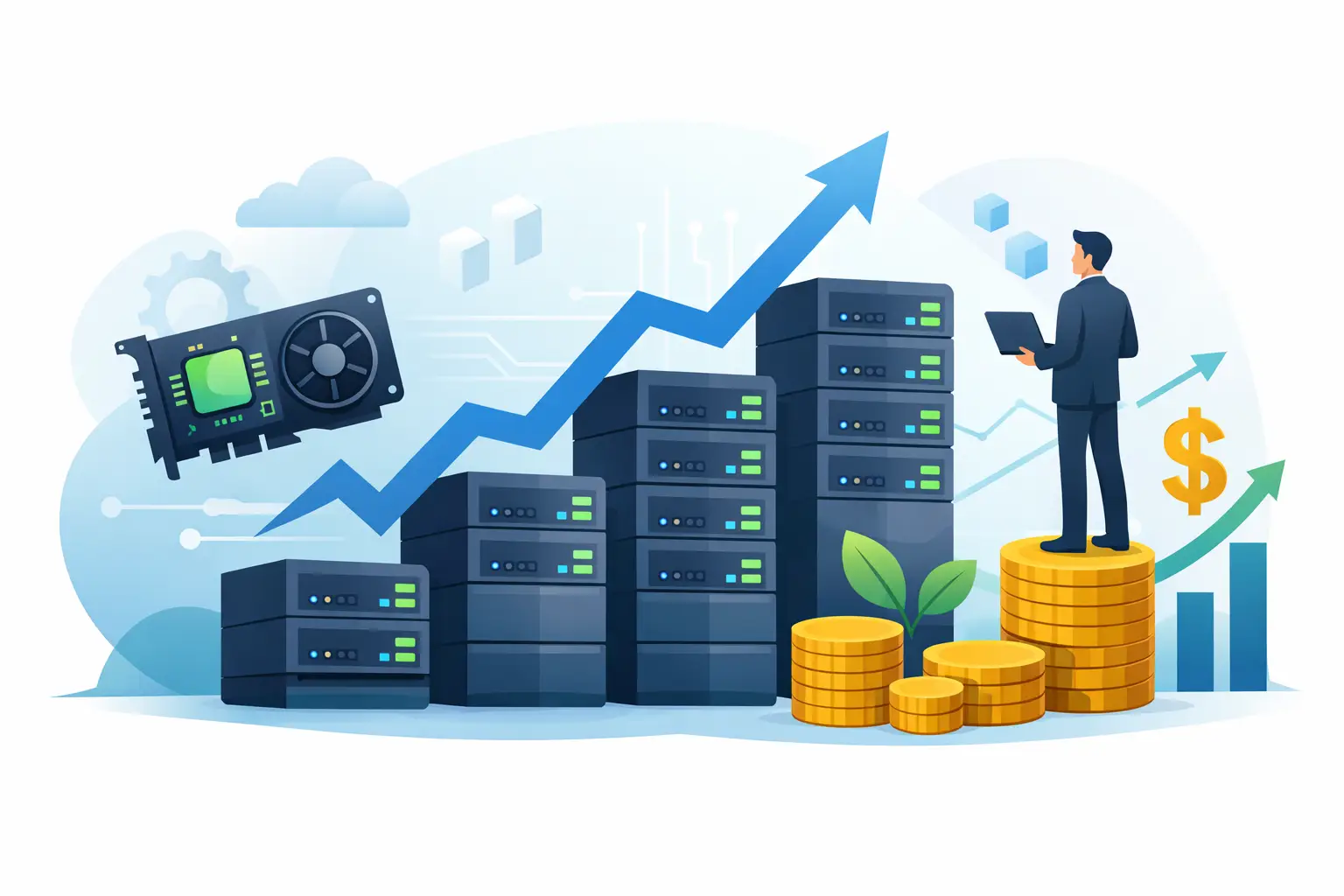
Learn how to scale GPU servers with power, networking, automation, and workload economics needed to build an independent compute business profitably.